Hi Guys,
Today Dave J. and I discussed using OpenAI’s new Codex Agent to help build BrainDrive.
Here is the recording of our conversation:
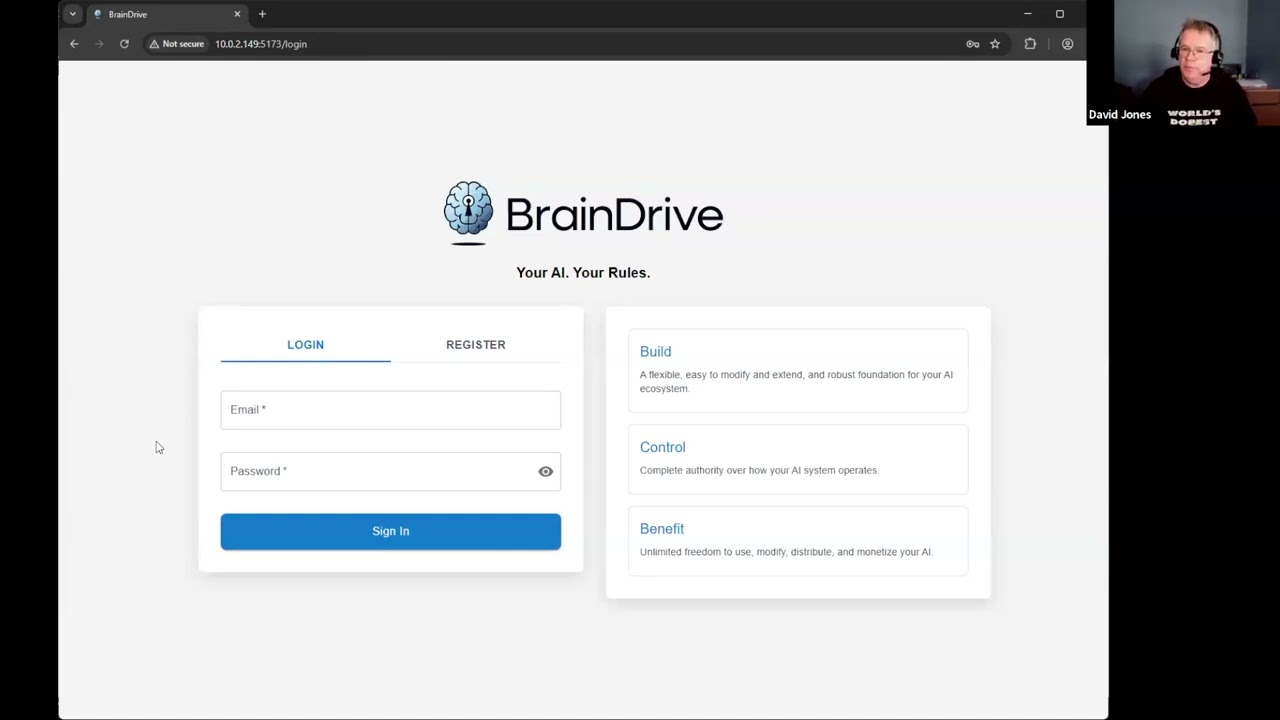
And here is the summary:
BrainDrive co-creators Dave W. and Dave J discussing integrating OpenAI Codex (especially the new agentic coding tool) into BrainDrive’s workflow to accelerate development and improve code quality.
 Key Benefits Identified:
- Acts like a high-level software engineer: Codex can autonomously read, write, and test code with minimal input.
- Handles end-to-end workflows: For example, it can take a GitHub issue, understand it, modify the relevant files, write test suites, and submit a commit.
- Massive time savings: Even a single day of saved engineering time justifies the $200/month cost.
 Addressing Values & Alignment Concerns:
- No data compromise: The code being fed into Codex is already open-source and MIT-licensed.
- Ownership intact: BrainDrive’s mission-critical assets—personal data, user memory, private models—are not shared.
- Using Big Tech’s tools against them: Like using the opponent’s tanks in battle, leveraging Codex doesn’t betray the mission—it accelerates it.
 Implementation Plan:
- Set up a private test repo for experimenting with Codex to avoid risk to the main codebase.
- Evaluate its output on real development tasks like plugin generation.
- Study and optimize prompts using OpenAI’s published prompt structure.
 Strategic Framing:
- Codex helps BrainDrive stay lean and fast, a critical advantage for a small team.
- It lets contributors build more plugins, faster, strengthening the ecosystem.
- “If OpenAI gets really good at coding user-owned AI systems, that’s a win for us.”
Questions, comments, concerns welcome as always.
Thanks!
Dave